Understanding Septic Capacity When Planning a Pocono Home
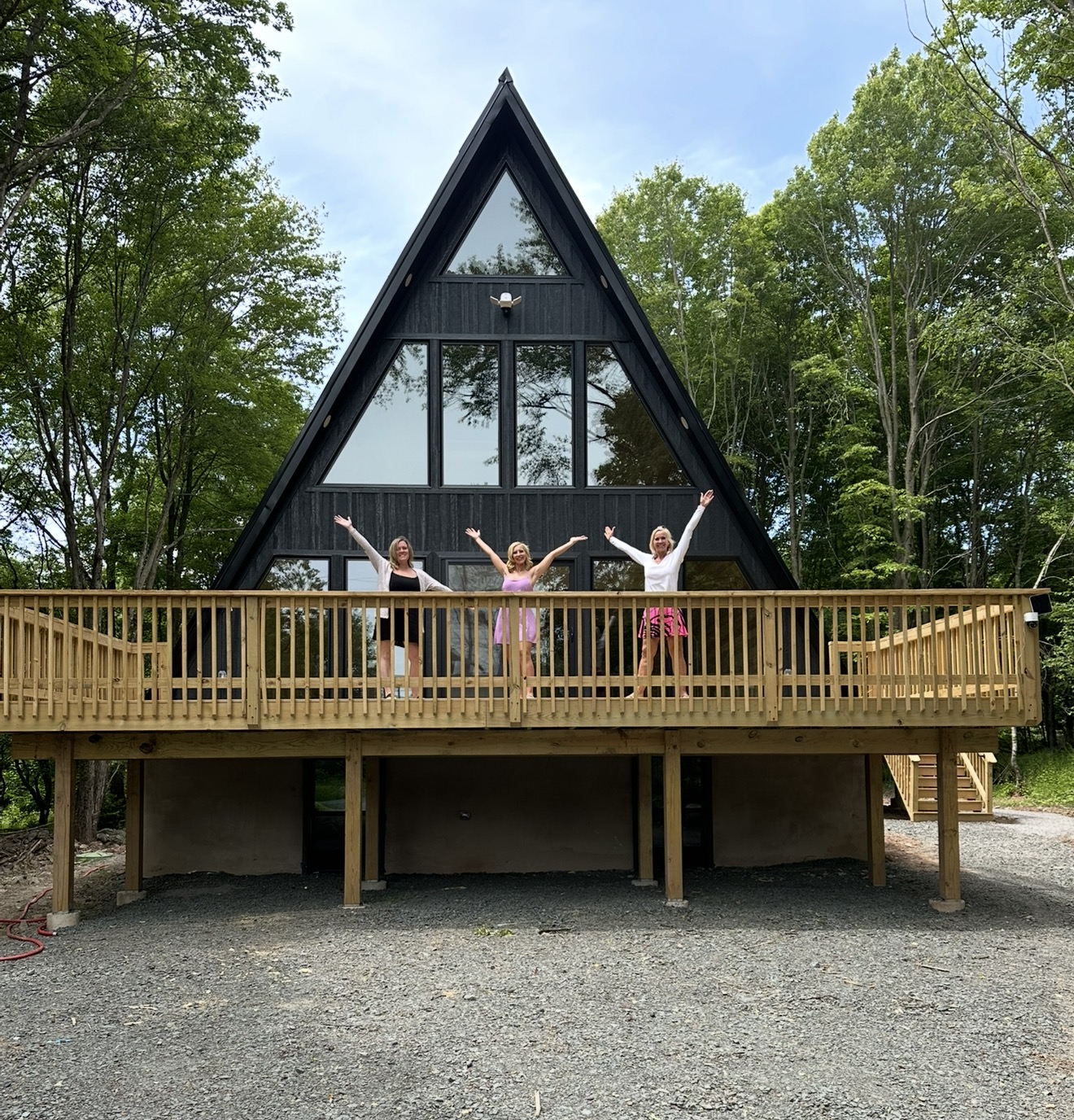
When clients begin exploring property in northeastern Pennsylvania, one question surfaces almost immediately: How does septic capacity affect the home I can build?
The simple answer is that your lot's septic capacity dictates your home's approved bedroom count, overall layout, and footprint on the land. In the Pocono Mountains, where many parcels rely on private wells and on-lot sewage disposal systems rather than municipal sewer lines, architectural design and ground conditions are inseparable. Before drafting blueprints or framing walls, the physical capability of the soil determines what is legally and practically feasible on the site.
The Poconos is our home, and we want to help others understand the area before building, buying, relocating, or investing. SINC Construction LLC is a women-owned and operated construction company founded by Kara Sincavage in 2007. Together with my daughter Mackenzie Seitz, who represents the fifth generation, we continue our family legacy through building, construction, and real estate, with roots dating back to 1870. Across decades of mountain building, we have learned that every successful home starts with respecting the natural site.
Bedrooms, Occupancy, and Utility Capacity: Key Distinctions
A frequent point of confusion among property owners is the difference between physical rooms, occupancy limits, and approved septic capacity.
Under Pennsylvania Department of Environmental Protection (PA DEP) guidelines, residential on-lot septic tanks and absorption areas are sized based on estimated daily wastewater flow, using bedroom counts as the primary baseline. For example, state regulations require a home with three bedrooms to have a septic tank of at least 900 gallons, with capacity scaling up as bedrooms increase.
If your floor plan includes four designated sleeping areas plus an enclosed den or bonus room with a closet, local permitting officials may classify that space as an additional bedroom. Even if your floor plan has plenty of square footage, you cannot build or legally market an extra bedroom unless the sewage permit specifically authorizes that capacity. Furthermore, approved septic capacity is legally separate from municipal zoning caps or short-term rental occupancy limits.
The Permitting Path: Soil Probes, Perc Tests, and the SEO
Under the Pennsylvania Sewage Facilities Act (Act 537), you cannot install an on-lot sewage system or construct a home served by one without obtaining an official permit from the local agency. This process is managed by a certified Sewage Enforcement Officer (SEO), who represents the municipality.
Moving from raw land to an approved septic permit follows a structured sequence:
- Deep Soil Probe Evaluation: An excavator digs test pits so the SEO can examine the soil profile for bedrock, impervious strata, or a seasonal high-water table (the "limiting zone"). Pennsylvania rules require sufficient vertical separation of suitable soil above any limiting zone.
- Percolation Testing: If the soil profile qualifies, percolation holes are presoaked and tested to measure absorption rates. Soils that drain too quickly or too slowly limit design options.
- System Design: Once the soil passes, a professional designer drafts an on-lot system matching site parameters, slope, and planned bedroom count. The SEO evaluates the design but is prohibited by law from designing it.
- Permit Approval: The completed engineering design, plot plan, and application are submitted to the SEO for review and permit issuance before building permits can proceed.
- Open Inspection: The SEO inspects the installation on site before any trenches, tanks, or sand beds are backfilled.
To learn more about upfront property due diligence, read our guide on what to verify before buying Pocono land.
Required Isolation Distances and Site Planning
Septic engineering dictates where your home, driveway, and well can sit. Under 25 Pa. Code Chapter 73, Pennsylvania enforces strict horizontal isolation distances to safeguard groundwater:
- Private Drinking Well to Absorption Area: Minimum 100 feet.
- Private Drinking Well to Treatment Tank: Minimum 50 feet.
- Surface Water (Streams, Lakes, Ponds): Minimum 50 feet from the absorption area; 25 feet from the tank.
- Property Lines: Minimum 10 feet from both tank and absorption area.
These setback lines apply across property lines as well. If an adjoining neighbor has a well near your boundary, your proposed drainfield must stay at least 100 feet away from it. On smaller parcels, these isolation zones can substantially restrict your building envelope.
Conventional vs. Alternate On-Lot Systems
Depending on soil depth, permeability, and topography, your site will qualify for either a conventional or an alternate septic configuration:
- In-Ground Trenches or Beds: Permitted on lots with deep, well-draining soil and adequate depth to limiting zones.
- Elevated Sand Mounds: Common across northeastern Pennsylvania where shallow bedrock or high water tables require an engineered sand layer above grade to treat effluent safely.
- Alternate Systems: Designs such as drip disposal or individual spray irrigation are used on difficult sites where standard absorption fields are unfeasible.
Understanding these site realities is an essential part of our building process, ensuring the home design matches the land from day one.
Matching Architecture to Lot Capacity
At SINC Construction, we specialize in custom builds tailored to the parcel, whether you are planning POCONO A-FRAME designs, specialty homes, or large investment homes with six to ten bedrooms. Every plan is subject to lot suitability, topography, engineering, and municipal approvals.
If you plan to operate a short-term rental, remember that STR permission must be verified with the municipality and the property owners association before purchasing or building. Local STR rules frequently tie maximum guest counts directly to permitted septic capacity.
| Planning Factor | Practical Impact on Your Build | | :--- | :--- | | Depth to Limiting Zone | Determines if an in-ground bed, sand mound, or alternate system is required. | | 100-Foot Well Separation | Dictates where drinking wells can sit relative to absorption fields. | | Approved Bedroom Count | Sets legal room counts and minimum tank size (e.g., 900 gallons for 3 bedrooms). | | Reserve Area | Many townships require dedicated space for a future replacement drainfield. |
Frequently Asked Questions
Can I add an extra bedroom later if my lot had good soil tests?
You can only build what your SEO-approved septic permit specifies. Adding a bedroom requires revised engineering, verification that the absorption area can handle the flow, and an amended permit from the local SEO.
Does an existing septic system guarantee I can expand my home?
Not automatically. Connecting an addition or adding bedrooms to an existing on-lot system requires municipal review. If an older system lacks capacity, you may need to upgrade the tank or expand the absorption field.
How do travel times and terrain affect site prep?
The Pocono Mountains attract buyers from Pennsylvania, New Jersey, New York, and Connecticut, but regional travel depends on starting point, route, traffic, and weather. Mountain terrain and winter conditions must always be accounted for when scheduling heavy equipment and soil probes.
If you are weighing a build, you are welcome to discuss your plans with us at sincconstruction.com. You can also Contact SINC Construction directly at our Blakeslee corporate office by calling 570-807-4451 to talk through your vision.
Sources Consulted
Discuss Your Pocono Project
Planning a custom home, vacation property, or investment home in the Poconos? Talk through your lot, your goals, and the next steps for your project.